This is the first article I’ve been requested to write. Don’t let that make you think this topic isn’t exciting, because it super is exciting. I went off about it in a critique group and had to pull myself back from ranting for hours. This article isn’t hours long though. Don’t worry, I kept it short.
Parents (and other parental figures) in kidlit I’ve noticed tend to be very much in the foreground or background of a story. I haven’t really seen too much in-between. Let’s look at how being in the foreground or background of a story might affect things.
Foreground Parents

Isadora Moon series
Isadora is a vampire-fairy. Her dad is a self-absorbed vampire and her mom is a nature-focused summer fairy. I love these two goofballs. I could write a whole article on her dad alone.
Isadora’s parents serve as reflections of the uniqueness of her two sides. She loves flying like her dad. She’s pretty good at fairy magic. She wears black and pink like each of her parents.
More importantly, they also serve as a reminder of Isadora walking between both worlds. She decides to go to a human school on her own, something neither of her parents are really in touch with. Isadora constantly struggles with the challenges that come with being part vampire and part fairy: family obligations, losing her teeth, having a birthday, etc.
Most importantly, Isadora’s parents are very nice people, and Isadora is too. Her parents are very present in her life and on the page. Isadora was raised to be a genuinely good person, despite the duality of her upbringing. While Isadora succumbs to everyday emotions like fear and jealousy, she always tries to see the best in any situation. She always admits when she’s wrong almost immediately. On the rare occasion she does disappoint her parents, they’re quick to forgive her.
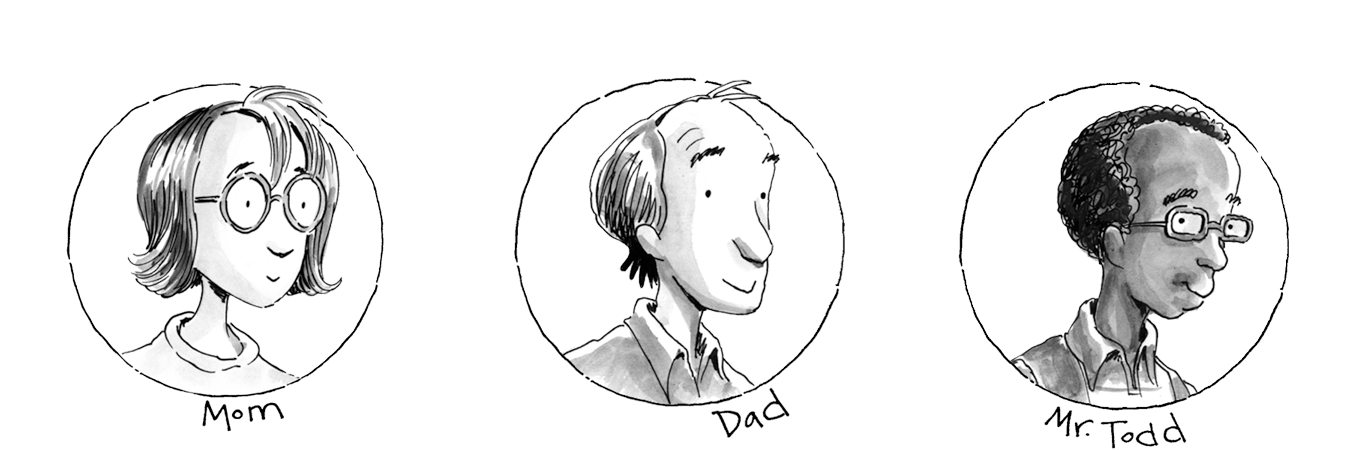
Judy’s a moody kid struggling with the challenges of being in elementary school. Judy’s parents ground her in reality and keep her responsible. Judy’s teacher, Mr. Todd serves as a wise figure.
There’s not too much more to say here. We see Mr. Todd a lot, because Judy goes to school a lot. He’s a pretty cool calm guy, despite constantly sending Judy to Antarctica (time out). I like to think that’s why Judy complies with his demands, because he’s super fair. Half the time Judy does stuff knowing full well what will happen to her in class. Even when she gets in trouble, Mr. Todd is just kind of like “Hey. Come on now. You know what happens, right? Alright then pack your coat I’ll see you in thirty minutes.”
Okay maybe there is a bit more to say here. I could write a whole article on Mr. Todd too.
Judy’s parents are fine. There’s actually not too much to say about them.


A selection of the many adults in Junie’s life, Junie B. Jones series
Junie probably has the most parental figures in her life that I can think of in a kidlit series. Junie is a bratty, loud, selfish kindergartener. Her dad is very passive. Her mom is mean, has a short temper, and yells (a lot). They serve to amplify Junie’s qualities to make her look better and more sympathetic by comparison.
Her schoolteacher (only known as “Mrs.”) hates everything about her job, and doesn’t put up with Junie’s antics, forcing Junie to figure out solutions herself.
The Principal is more tolerant and tends to teach Junie lessons, but only when she goes too far and is sent to the principal’s office. His secretary doesn’t talk to Junie at all, which serves as a grounding lesson to remind her she really messed something up.
Junie’s grandparents babysit her a lot because her parents work, and are kindly, but tire easily and are happy to push Junie off on her parents. They usually give Junie ideas she didn’t think of.
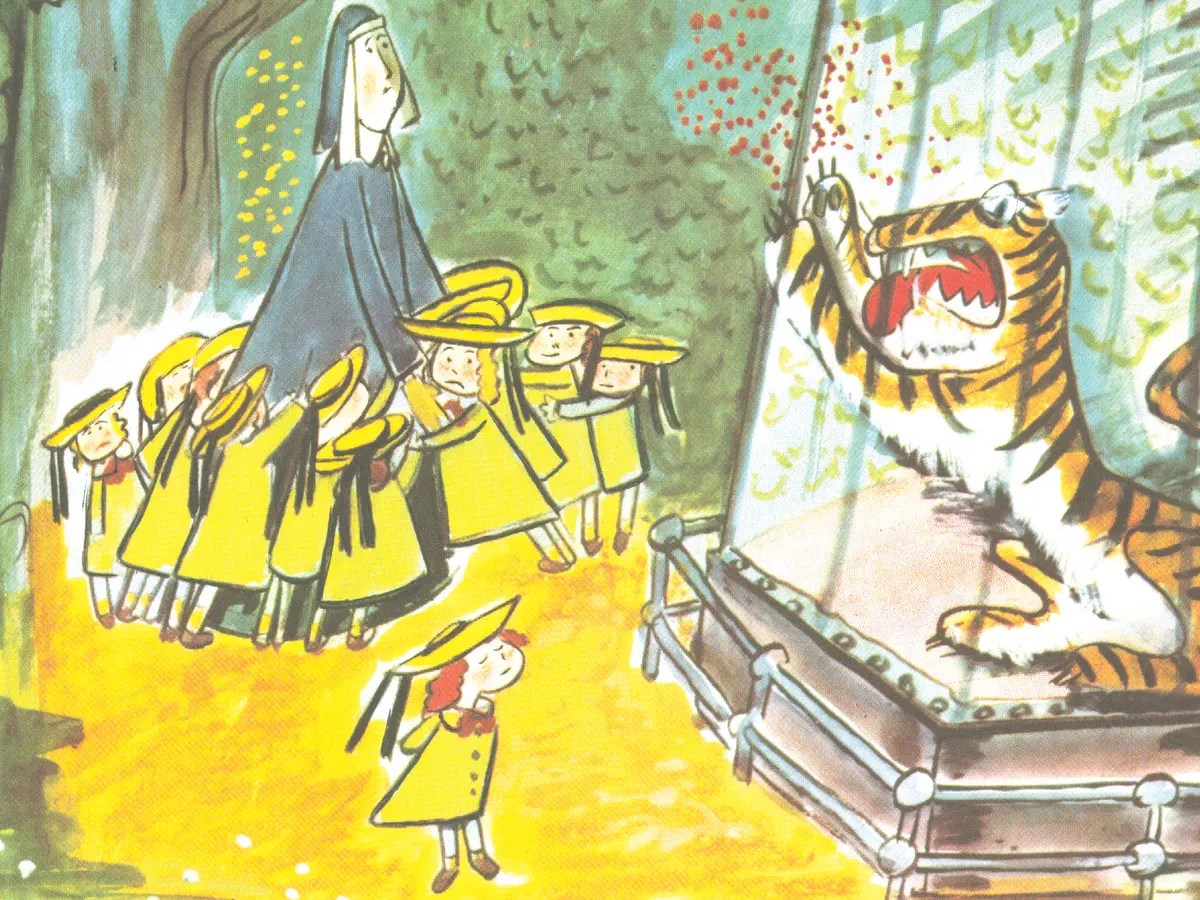
Fun fact: Madeline actually has parents. Her last name is Fogg. She’s American! Her parents are rarely mentioned and never seen.
Miss Clavel however, her boarding school caretaker, is extremely prominent, to the point where she tends to start and end books. This is for a few reasons. It establishes the setting: that Madeline lives in a very strict, almost religious household that has rules. It also is a contrast to bring out Madeline’s rambunctious personality. This makes her antics and running off that much more brazen. Most books have Miss Clavel literally chasing Madeline through a city, or looking for her.
Background Parents
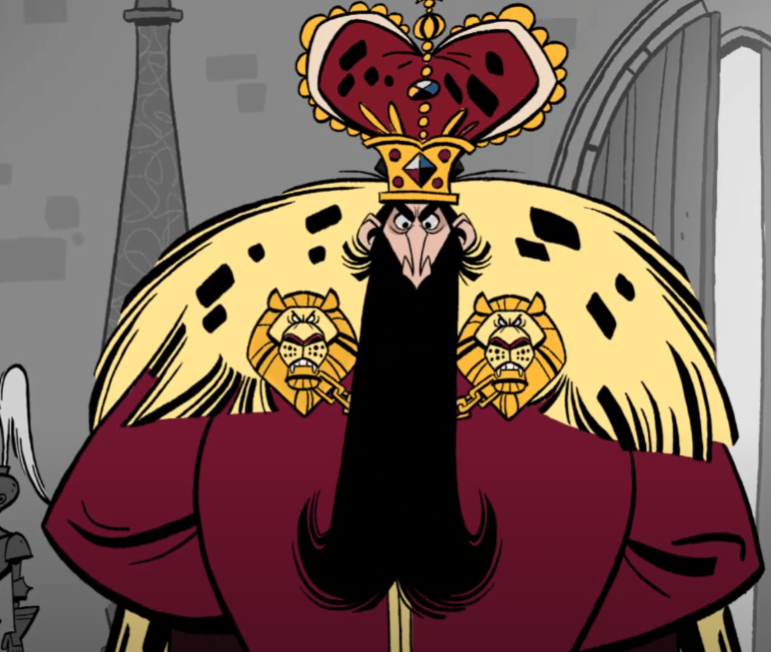
Princess Serena Princess Pulverizer wants to be a knight, not a princess. Her dad is prominent in the first few chapters of book one, only to give her the Quest of Kindness and then send her on her way to knighthood. The next seven books are her on her own, as she meets friends and solves her own problems. Her dad returns in the last book, to confirm she completed her quest and can be a knight.
He’s kind of her, I don’t know, sense of responsibility? As the books go on, she starts to admit her dad was right and she does have things to learn before she can really be a knight.

Itty Bitty is a princess kitty. Itty’s parents are the king and queen of Lollyland. Her parents mainly just help to establish the setting and reinforce her role as a young princess that has a lot to learn. They’re around a decent amount, but don’t do too much on the page.
The other adult figures in her life, like her schoolteacher, are passive to the point of almost never appearing on the page and just being mentioned in text. This also just establishes setting.
Her parents are really nice and cute though. Everything in the series kind of is.

Sorry, I’m pretty sure we never get their real names. These are Daisy Dreamer’s parents. She’s a kid with a real imaginary friend and whatnot, but none of that matters when it comes to her parents. They’re the epitome of setting establishment. Daisy lives in a city in a house and goes to a school and having parents makes all of that make more sense. They’re in a few books mostly to see her off to school and that’s literally it. They don’t play a major role in any of the books.
I guess except for the fact that Daisy’s grandma gives her the diary that she draws her imaginary friend in, and she matters a ton in the last book kind of. So having a mom helps to give her a grandma too.
No Parents
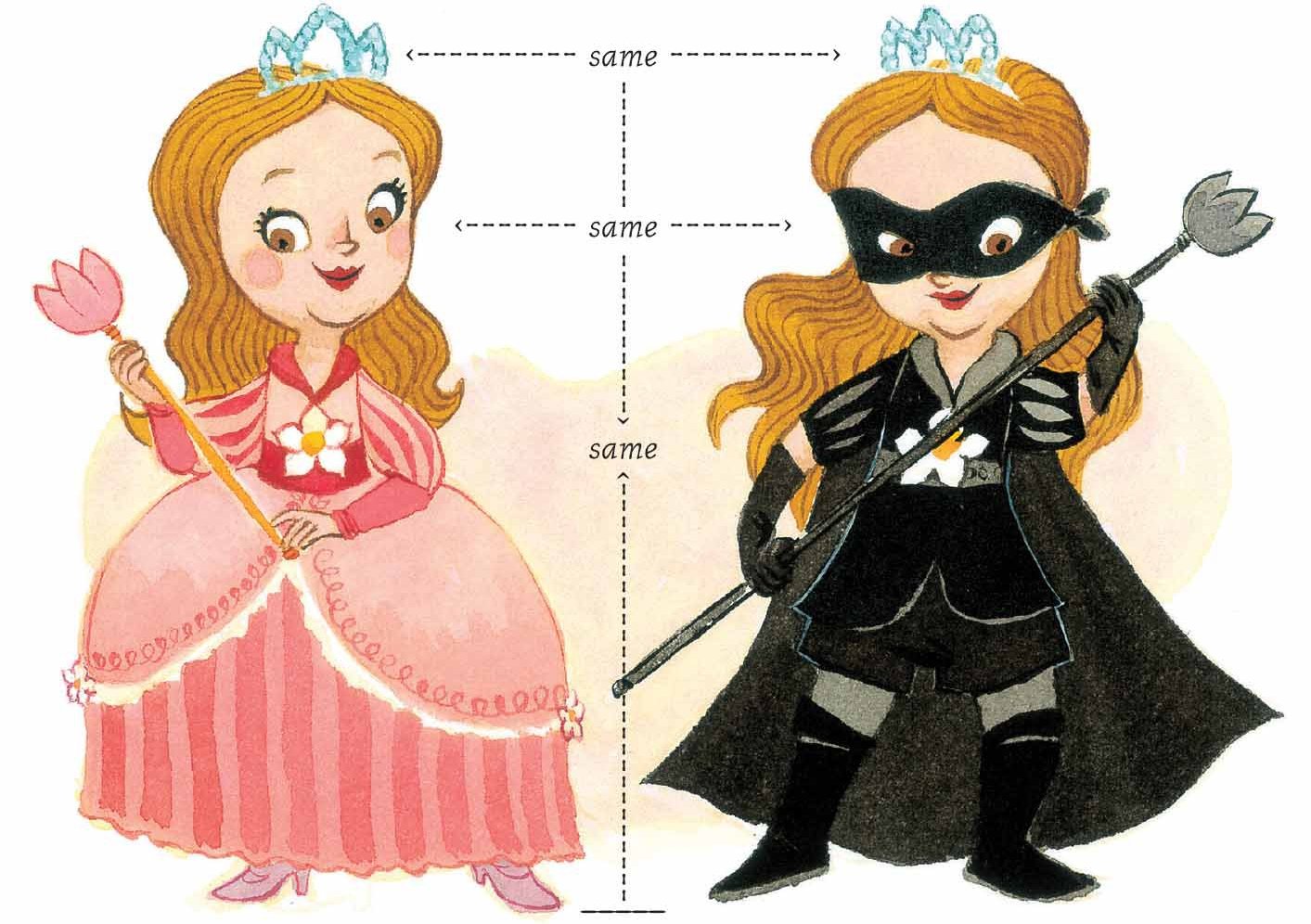
The Princess in Black series
I’ve read all ten books so far, and I’m pretty sure this girl doesn’t have any parents. Actually, I’m pretty sure none of the princesses in this universe have parents. Not even a mention. I swear. I guess there’s so many characters in this early reader book we don’t have time for parents. Just don’t worry about it.
Conclusion
Hey look, it doesn’t really affect anything. It doesn’t really matter how many parents are in your book or if they’re more or less apparent. As long as they accentuate the kid main character in some way, you’re good. Or establish setting. Like any good secondary character.
…
Don’t ask me about Lunch Lady. I have no idea how the author got away with that. I really need to read it.
(Names)
Okay fine, there’s one more small minor point to discuss. Parents help establish a kid’s really weird, not normal, totally meant as a joke or rhyming thing last name. When those exist. You might have seen some of them earlier. Daisy Dreamer. Judy Moody. Those kind of last names. Having a family gives you lots of people in the setting close to the main character to act like all of this is totally normal.
Okay now I’m done. See you next article.
 The Mousehold
One thought on “Parents in Kidlit”