Chapter books tend to be in series, but how much does that really matter? If a kid is expected to be able to pick up any book in a series and not be missing anything, what do you need to repeat? What can you reference without confusing a reader?
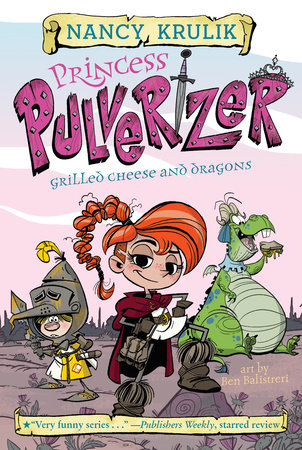
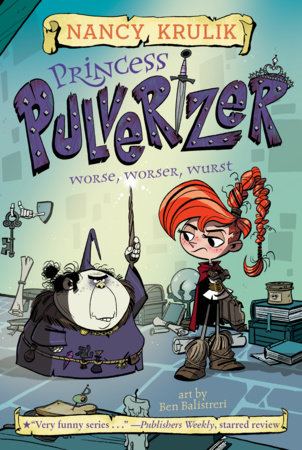
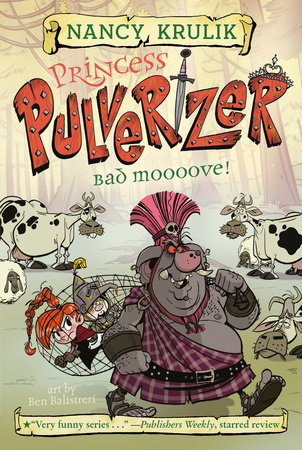
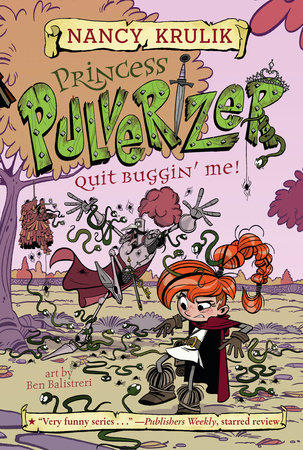
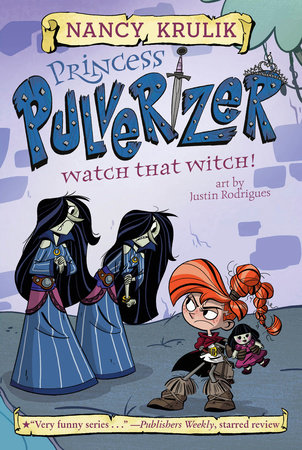
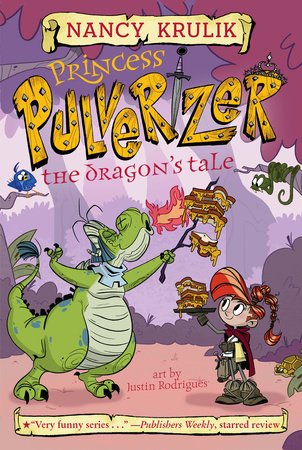
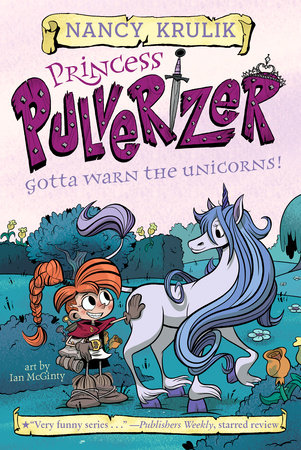
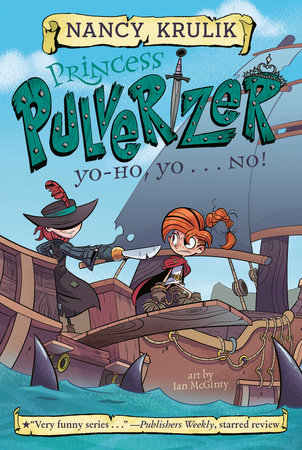
And Princess Pulverizer is one of the shorter series.
A Matter of Consistency
One of the main things a chapter book must establish is the premise. Every book. Who is the main character? What is their deal? What is their life like? And so on. If I start on book fifteen, I need to know the same basic things as if I started at book one. Let’s look at some examples across different chapter book series.
Isadora Moon – Isadora and her family
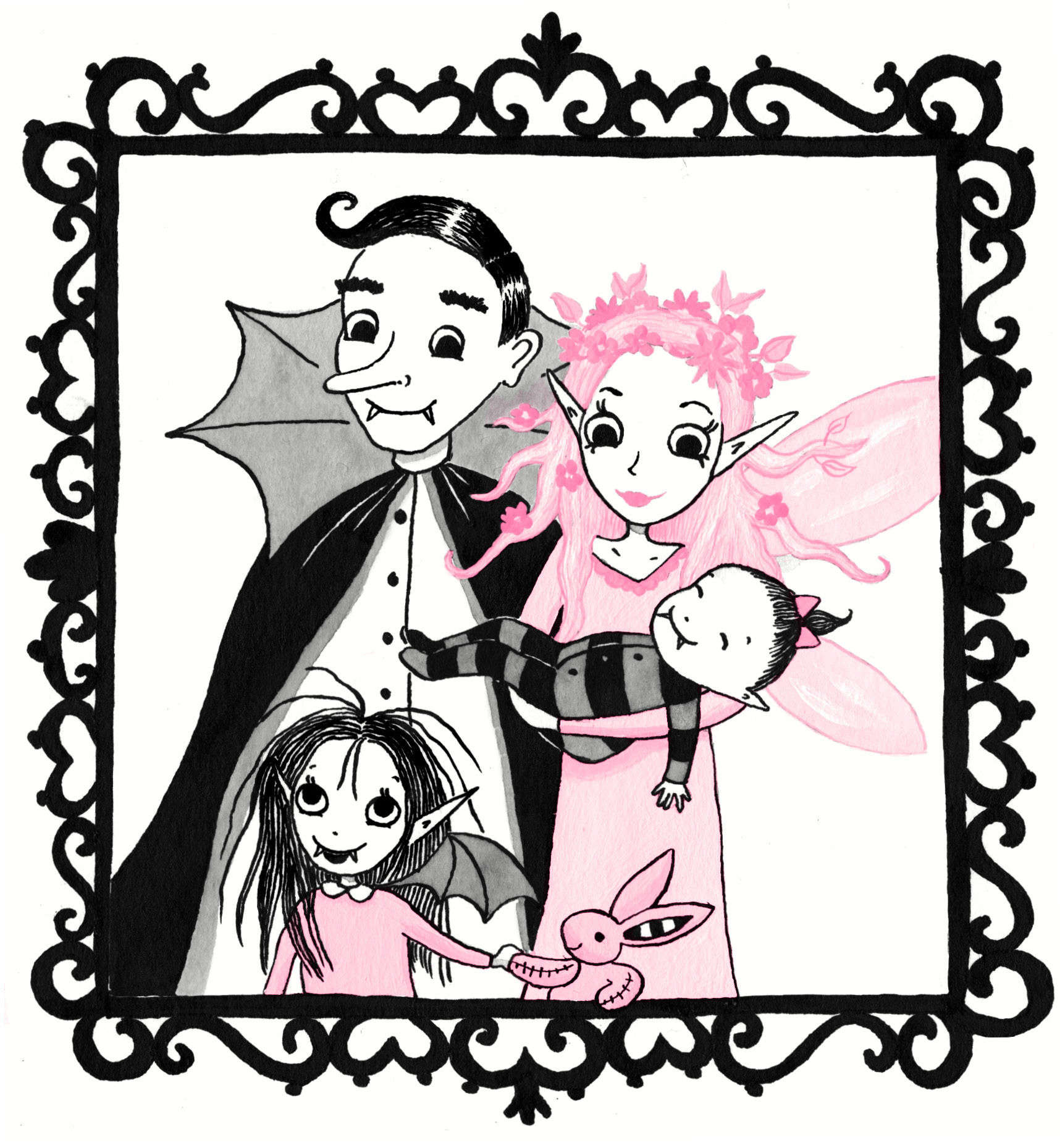
Isadora’s a vampire-fairy. Her mom is a fairy and her dad is a vampire. She has a magical stuffed animal named Pink Rabbit. These are all very important characters and always get established within the first page or so of every book:


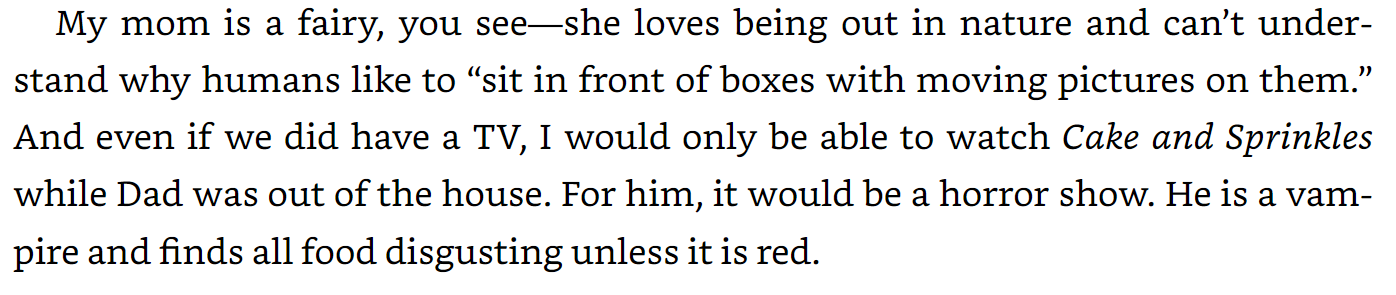
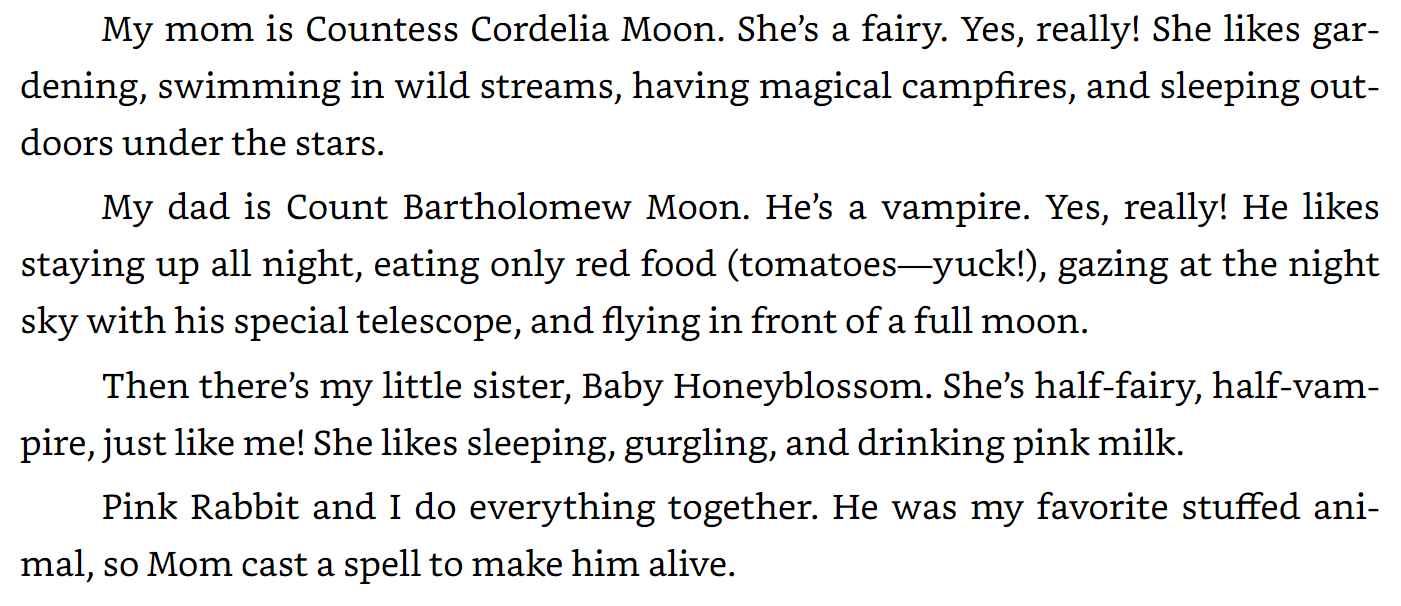
Oh yeah, she also has a younger sister. She’s much less important than her parents or Pink Rabbit.
Captain Awesome – Super Dude
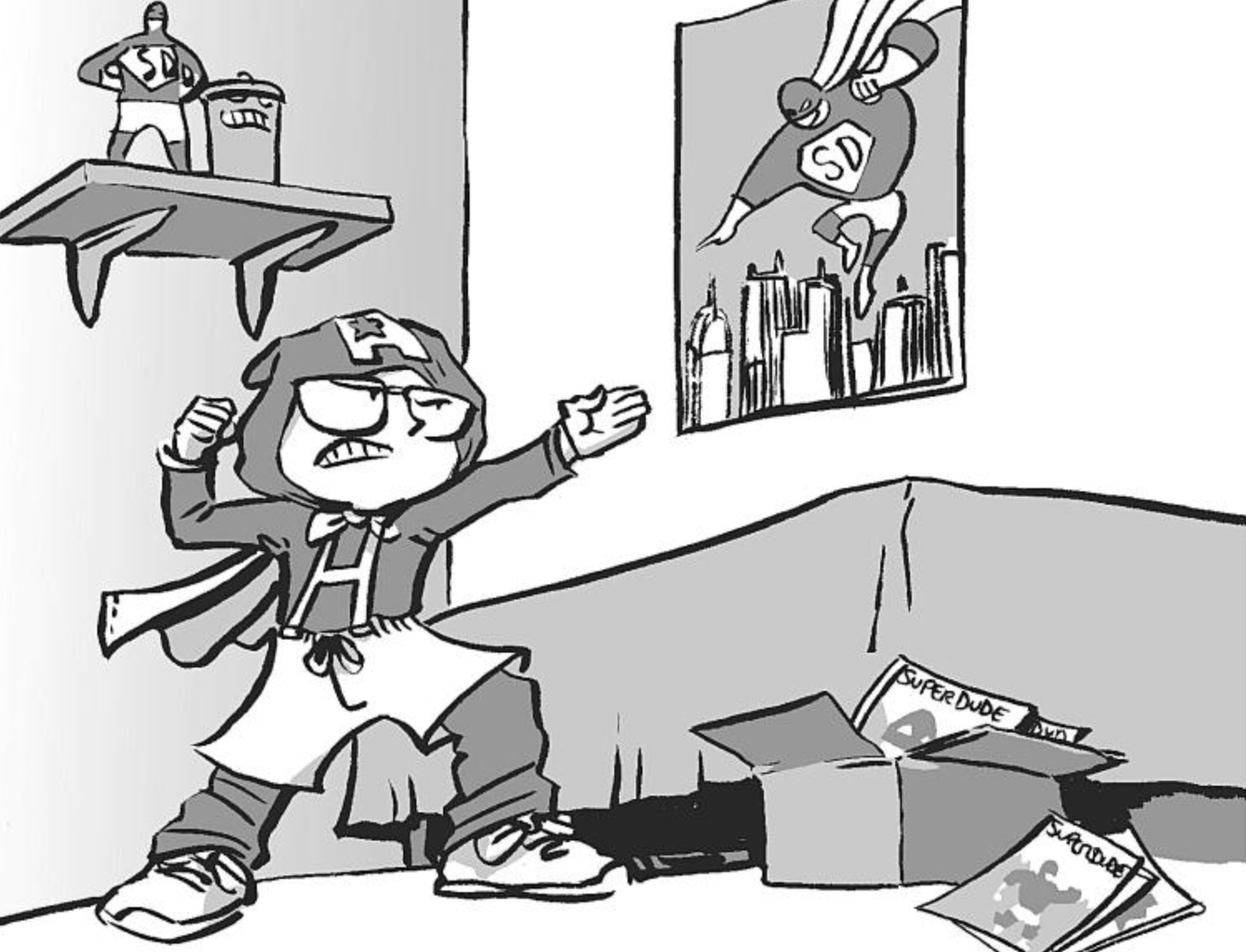
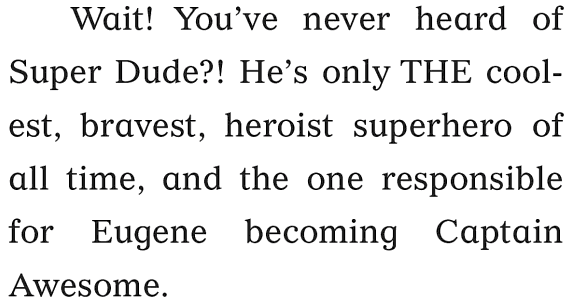
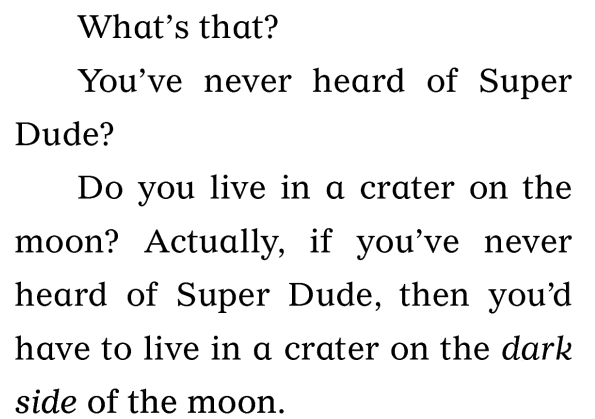
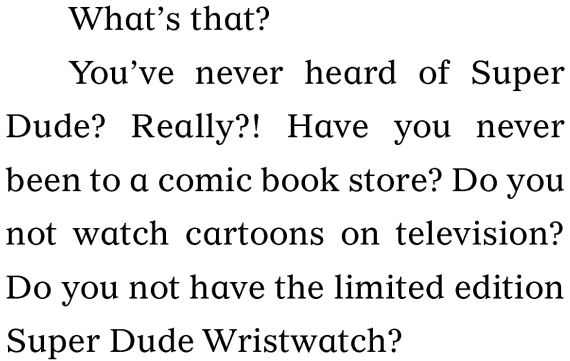
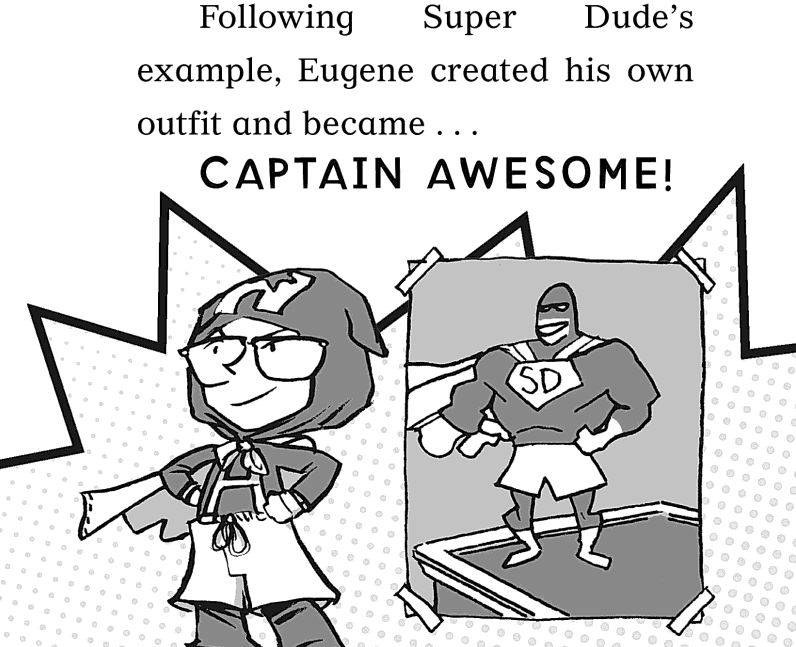
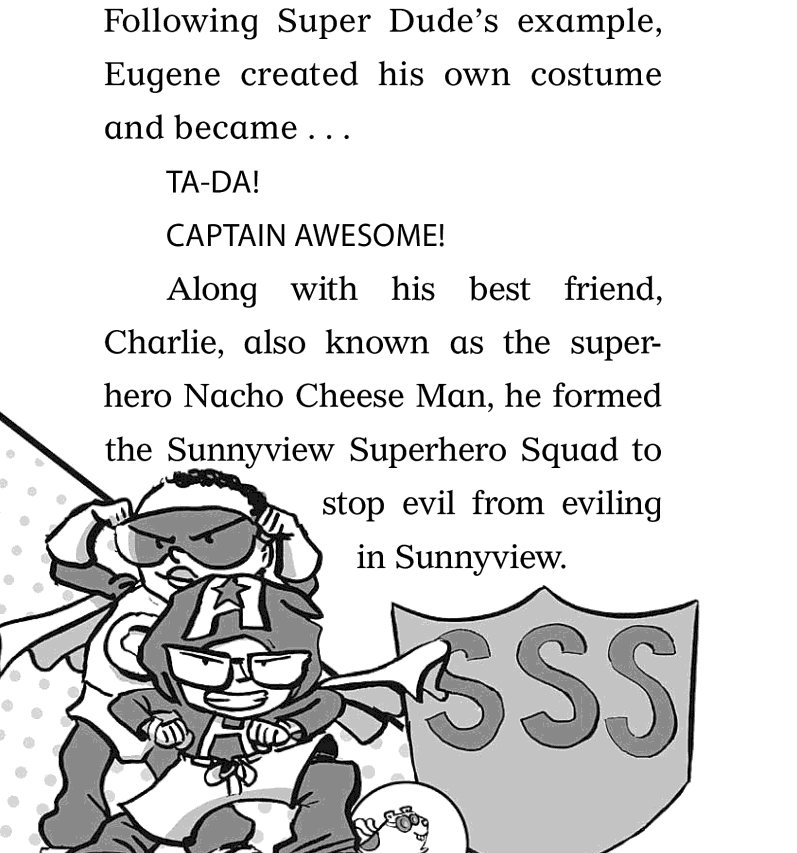
You don’t know who Super Dude is? He’s only the inspiration for Captain Awesome, the heroic alter ego of Eugene McGillicudy, the main character of this long-running chapter book series! Eugene might not have any real superpowers, but with such a hero-focused story, the reader has to know what’s up up front:
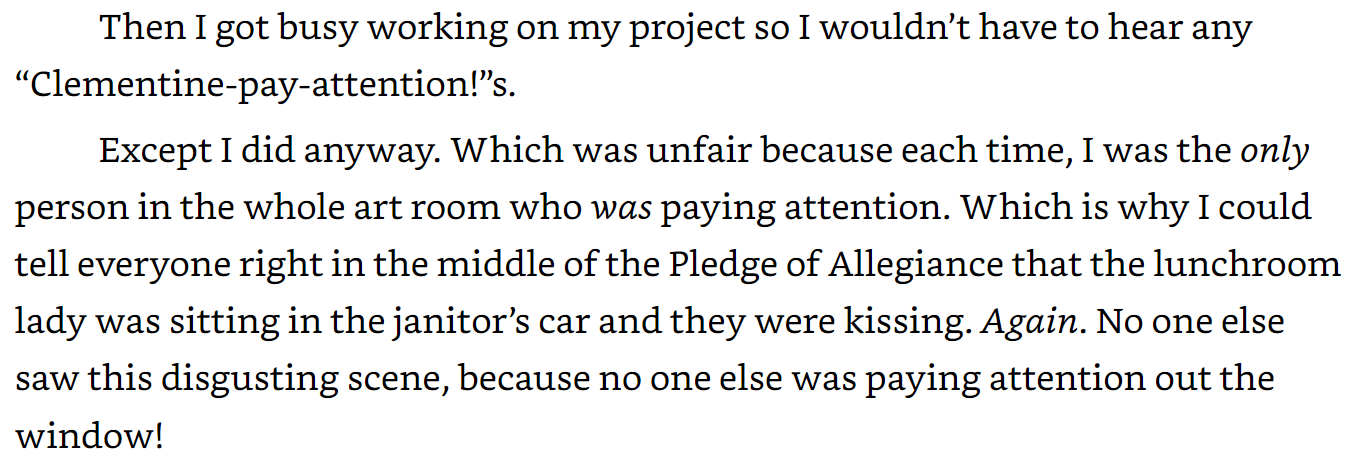
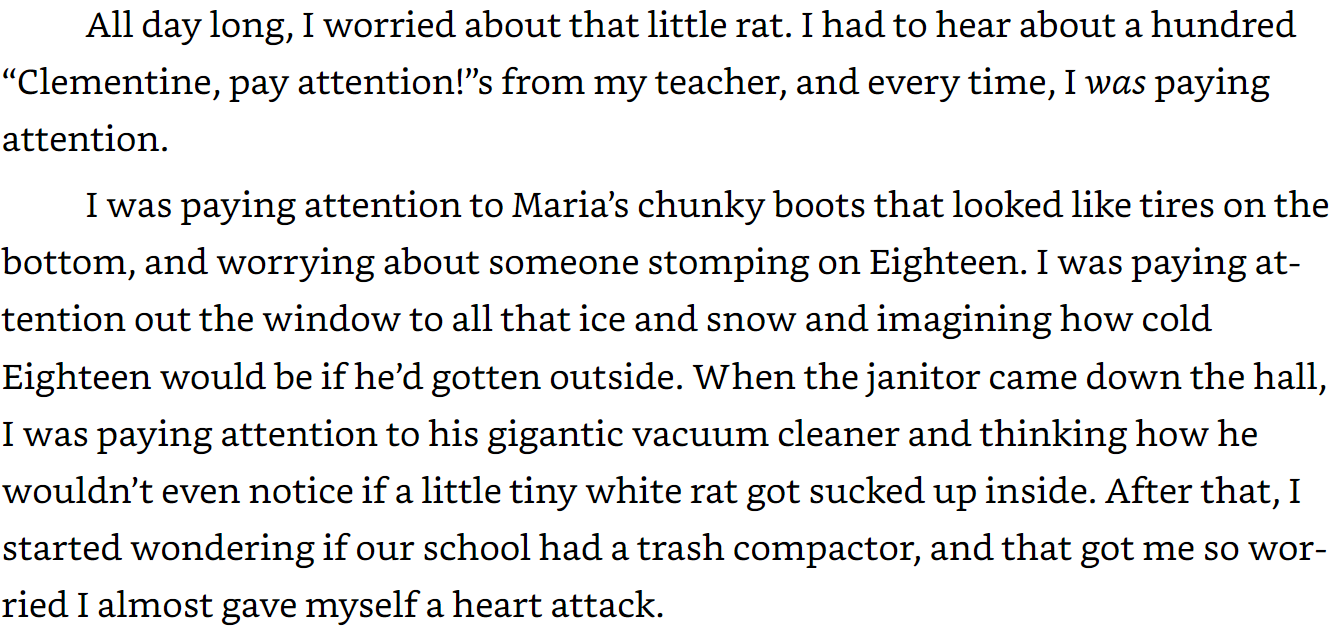
Clementine – Paying attention
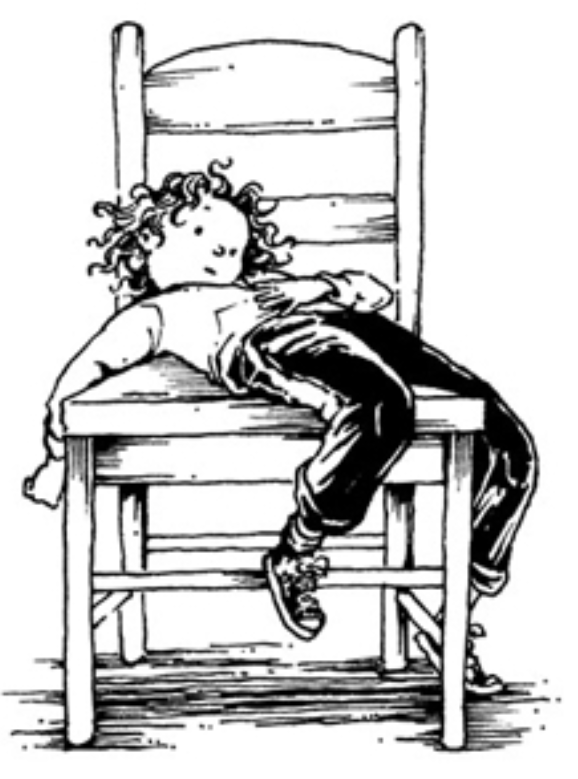
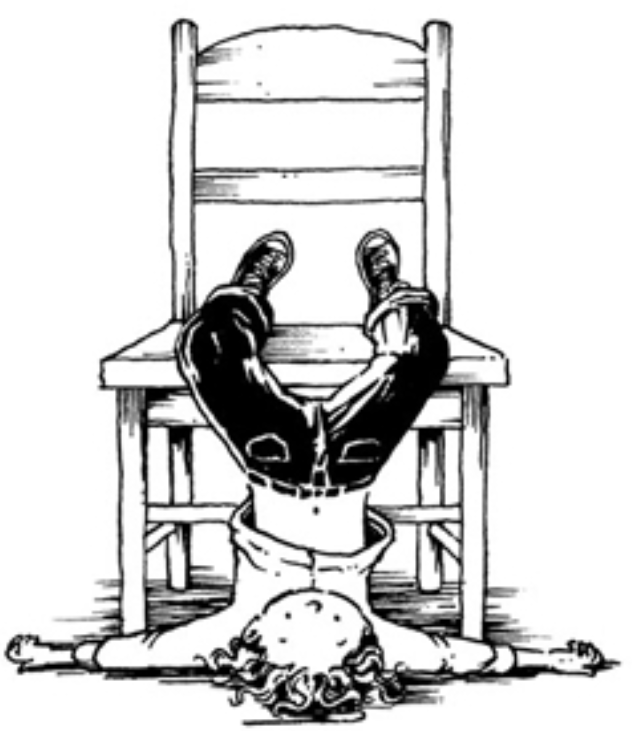
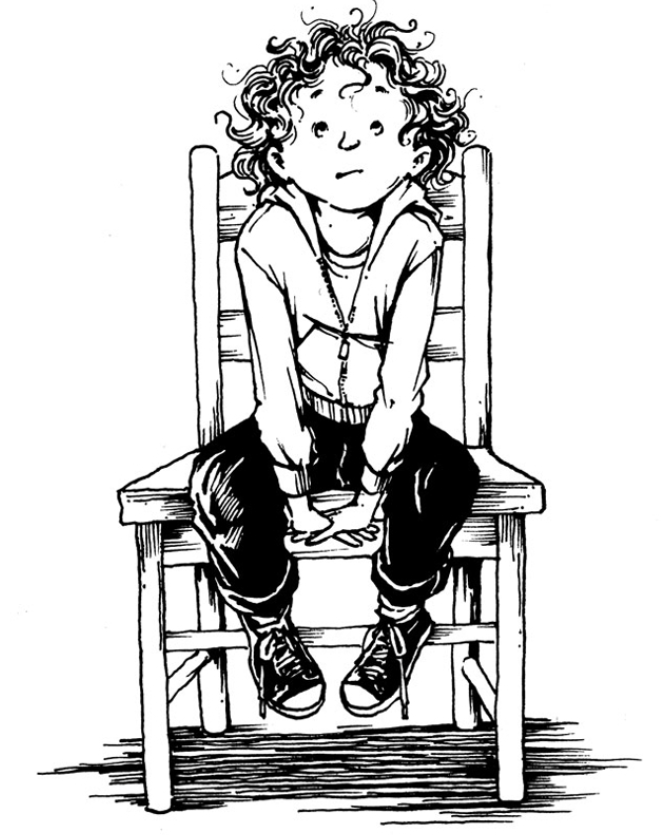
Clementine notices things other people don’t. Even if it means going to the principal’s office for it. It’s one of the traits that defines her character. That’s why every book mentions it in some form:
Applied Mariel Theory
In my Magic Tree House article, I talked about what I call “Mariel Theory”. That consistency makes things safe, comfortable, and uniform. “Predictable” if you’re unkind. In that article, Mariel Theory was discussed in terms of consistency making inconsistent things stand out. Today let’s talk about how consistent things stand out. How can consistency be exciting? Let’s stick with Magic Tree House for a second:
Every book Jack and Annie go somewhere in time.
It’s where they go and what they do that makes it interesting. Jack and Annie have survived multiple battles, gone to space, acted alongside Shakespeare, helped countless rare animals, and so on. What kid wouldn’t want to experience (at least some of) these things?
Every book Jack spouts facts and Annie is empathetic.
These traits define their characters. Jack is a big book nerd and Annie can’t bear to see people or animals get hurt. Learning new facts is interesting. Drama is exciting. Annie’s desire to save anyone and everyone has almost caused her demise in many a book. She’s fallen into crevices, ran into raging fires, and almost drowned multiple times. Bet you didn’t expect that in a chapter book series.
Every book they do their mission and come back safely (however mentally scarred they might be).
And every book we don’t know how they’ll do it until the end. How are Jack and Annie going to escape a T-Rex and get back to the treehouse? Can they get out of an Egyptian tomb without getting trapped? How about outrunning the eruption of Mt. Vesuvius? Or a tsunami? How will they get home when the treehouse gets destroyed in a flood? I might know that they’ll be fine in the end, but I didn’t know how they were going to get out of these situations at the time. How cool!
If an idea is cool enough, it’s always going to be exciting. You just have to make sure the premise can be iterated on in enough ways.
What about a tamer series? One with less action and adventure. Let’s look at Judy Moody’s younger brother, Stink.
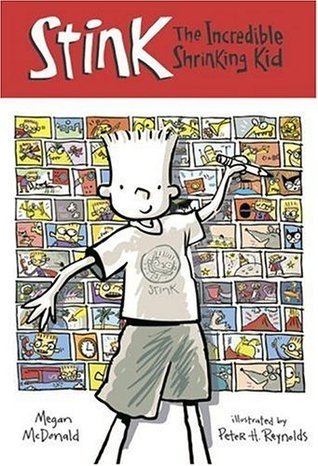
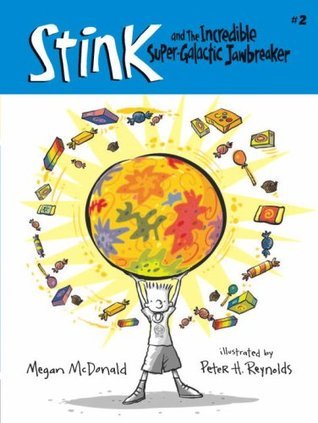
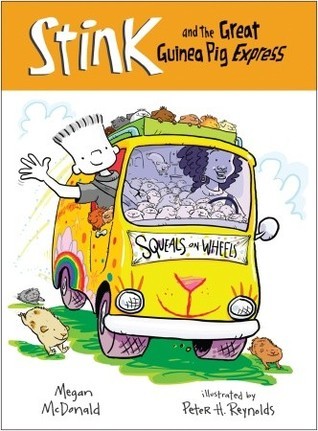
For a normal kid in Virginia, these titles sure sound interesting! Though they’re a bit of an exaggeration of the events that happen in these books, we can see that even everyday situations can be an adventure in the eyes of a normal kid in Virginia:
In The Incredible Shrinking Kid, Stink deals with his height problem. Will he ever get taller, or is he getting shorter by the day?
In The Incredible Super-Galactic Jawbreaker, Stink is disappointed with his jawbreaker. When he writes to the jawbreaker company, he finds out he can get tons of free stuff from any company he writes to.
In The Great Guinea Pig Express, Stink teams up with his local pet store to find homes for a hundred and one guinea pigs. This is not an exaggeration. And is based on a real life story.
A Matter of Continuity
Continuity involves later books in a series referencing earlier books in the series. Books for older kids like middle-grade or young adult books can build on each other. They can assume you’ve read past books and not linger on things you should already know. Chapter books don’t have this luxury, so how do they pull it off?
Winks and Nods
Sometimes referencing past events doesn’t need explanation. If you know, you know. If you don’t, nothing to see here.

Clem’s cat does get lost during the previous book, Friend of the Week, but this is a normal enough event that you could assume she’s just referencing anything to contextualize her worries about her lab rat being gone. If you did read the previous book, then this scene hits just a little bit harder.
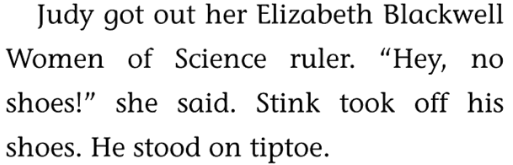
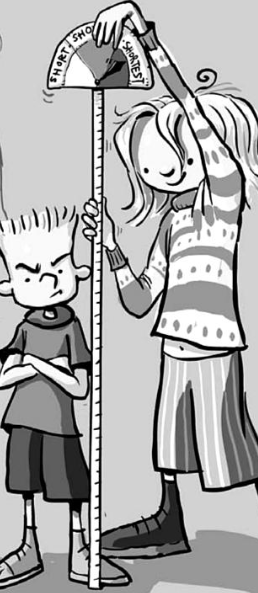
Fans of Judy Moody will recognize Elizabeth Blackwell. The first woman doctor in the USA is Judy’s heroine and the reason she wants to be a doctor when she grows up. It’s no surprise Judy has a themed ruler of her. I don’t even think it was mentioned in any Judy Moody book so far that she owns this either. This is a primo Judy wink, and it’s not even in her series. And if you only care about Stink’s books, none of this matters to you. You can keep on reading and not miss a beat.
As a side note, it’s really fun to see how Judy is portrayed in Stink’s series and vice versa. In Judy Moody, Stink is shown to be an annoying younger brother from Judy’s perspective. Even Stink’s primary trait of being smart and well-read marks him as a know-it-all by Judy. In Stink, Judy is shown to be really mean and petty, constantly berating Stink and taking any opportunity to butt in on his business. She’s even the reason for Stink’s nickname being Stink in the first place (his real name is James Edison Moody). Siblings.
Say What Happened
When an event is too specific to not matter, then we need context. It doesn’t take long to contextualize the events of a previous book, usually just a sentence or two.
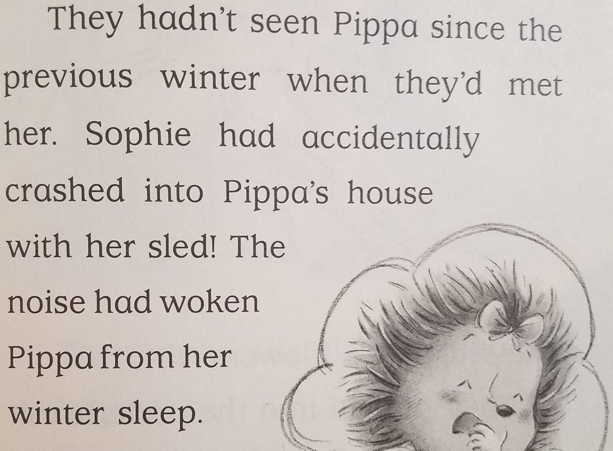
In Sophie Mouse and the Great Big Paw Print, the best character in kidlit returns to hang out with Sophie and her friends. It would be a little weird for such a clearly important and well-designed character to show up out of nowhere for half the book, so we need a bit of backstory. Pippa doesn’t even go to Sophie’s school, so that can’t be used as an out.
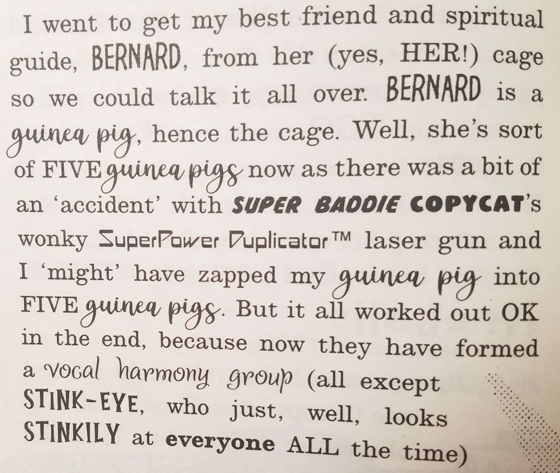
Pizazz’s pet guinea pig is in every Pizazz book, but after the events of Pizazz vs The Demons, things get a little weird. Even in a book with real superheroes, a girl having five guinea pigs that are all the same guinea pig might be a little hard to buy into. You might have thought you missed something.
Hard Continuity
I can’t think of any examples of real, hard continuity in any chapter books. The kind of situation where events carry over into future books, affect the story significantly, and you are not informed about why. Where if you did pick up a later book first and read it, you might be confused about who a character is or why characters are in a certain place. Chapter books just are not the medium for it. I’ve been wrong before though. If you have any examples of this type of continuity, let me know in the comments!
Conclusion
So the next time you’re reading more than one book in a chapter book series, read a little closer. These series are filled with fun throwbacks and exciting premises that you might not appreciate on a first pass. Maybe even give a series you never finished another shot with a new book. Just because the one you read might not have been that exciting doesn’t mean the next one won’t be.
 The Mousehold
One thought on “Consistency and Continuity in Chapter Book Series”