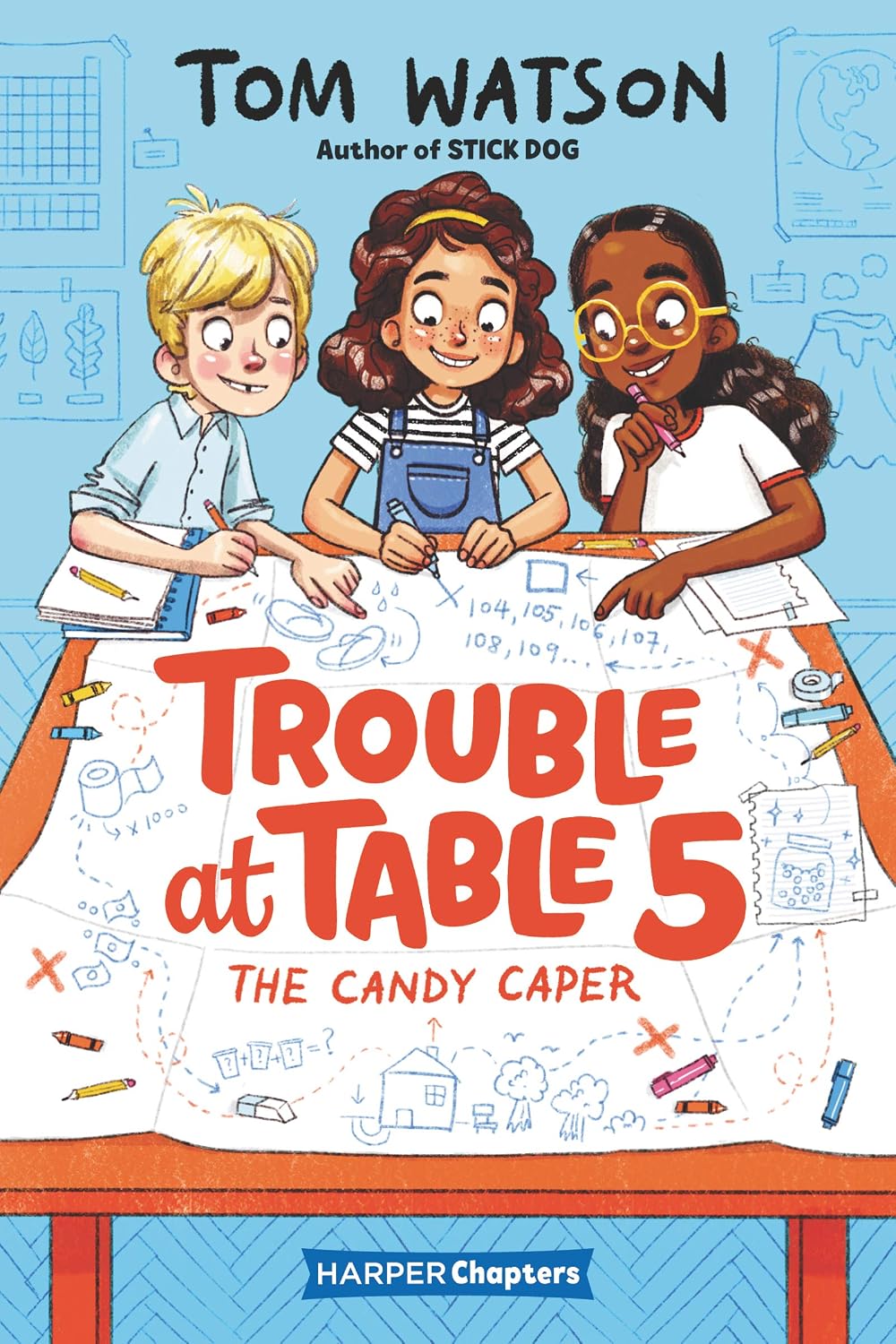
I’m back with another really cool, really short series. This time from HarperCollins! Their Harper Chapters imprint has been around since 2020, so not really long enough to have any standout series yet. They focus on early chapter books (ages 5-8). Trouble At Table 5 is one of their longer running series, but hasn’t seen a new book since 2021. Five years is a pretty long time. Their website seems pretty outdated too. Is the series dead? Has the entire imprint shuttered? I don’t know, but maybe we can breathe some life back into at least one of their series. The one that I read. Trouble At Table 5.
Premise
Molly, Rosie, and Simon sit at Table 5 in their classroom. Sometimes they cause “trouble” in class. Usually they come up with inventive solutions to deal with their problems. Which also sometimes cause “trouble”. Can you tell I have an issue with the word “trouble” here?
Characters
You might be wondering what the “trouble” in Trouble At Table 5 is about. I think it’s supposed to be the characters. I mean, I know it’s supposed to be the characters, but we’ll talk more about this detail in a bit. Some of it doesn’t sit right with me.
Molly
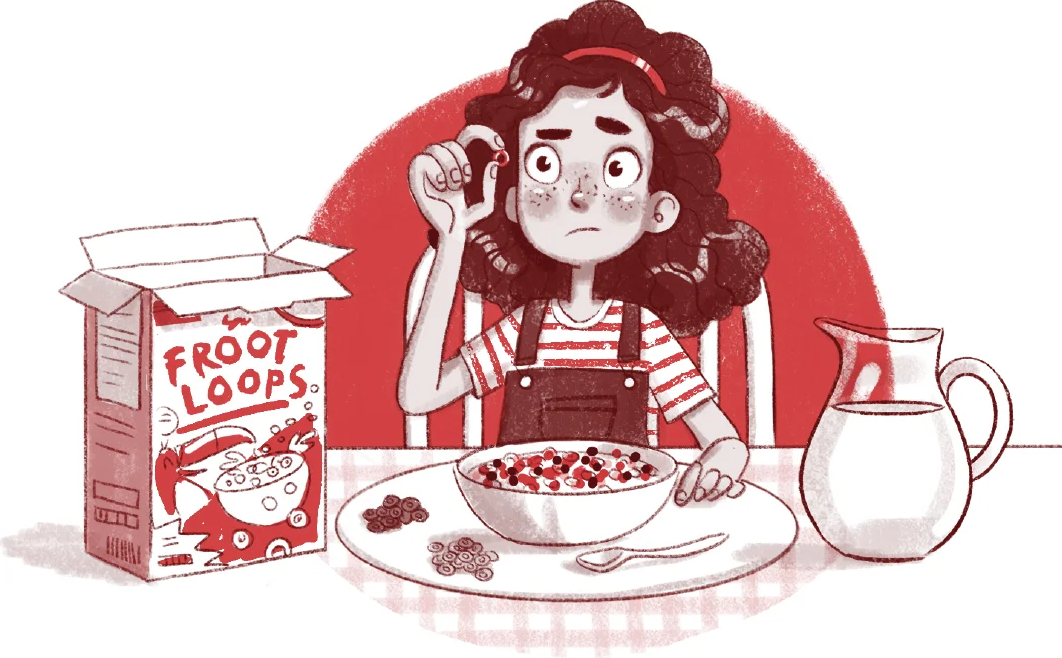
She likes even numbered things. She doesn’t eat green and purple fruit loops because they remind her of grapes. She’s technically the main character who we view all the books through.
Rosie
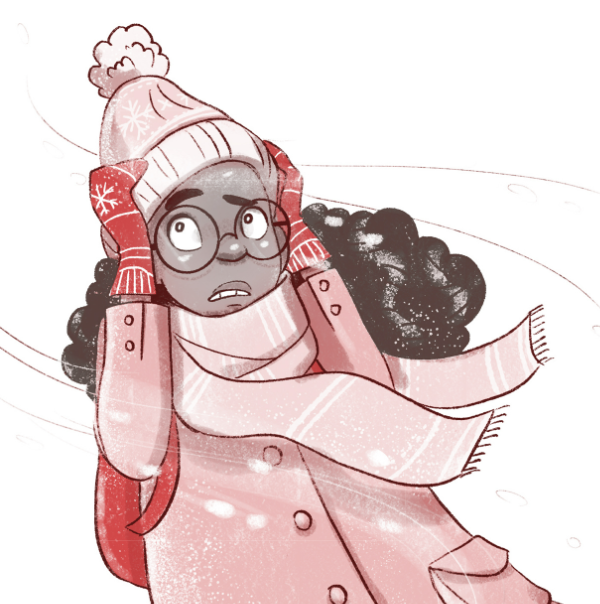
She’s very inquisitive and likes asking lots of questions. Even if they don’t have to do with the topic at hand. She twirls her hair when she has an idea.
Mr. Willow
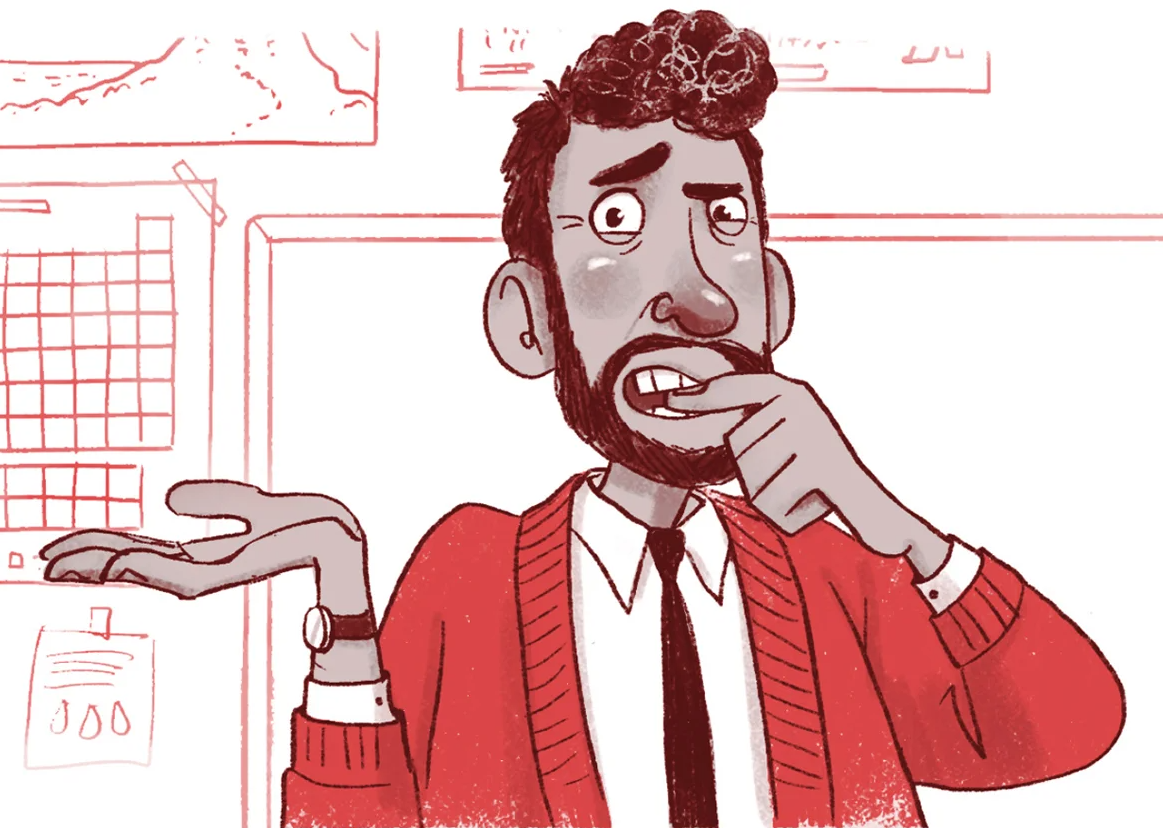
Table 5’s teacher. What a guy. Almost my favorite character, but not quite. Maybe the most realistic depiction of an adult in chapter books. A firm, but fair teacher who just wants these kids to stop interrupting his class.
Simon
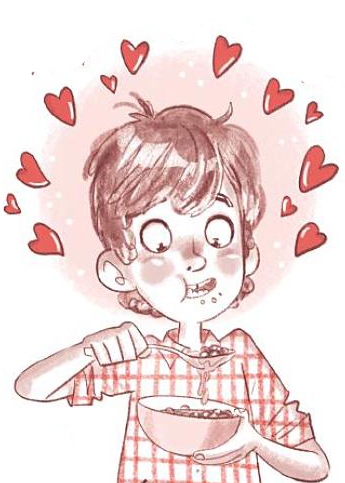
Actually my favorite character. He’s so animated. Daisy Dreamer levels of animated. He has to talk until he gets everything out of his head, which is never. He likes stuffing his face with food. He has some crazy ideas that usually involve monster trucks.
Series Breakdown
This series has six books, not five. Missed opportunity? Maybe. But there’s three main characters and each book focuses on one of them.
(1) The Candy Caper: I’m gonna talk about this one later on. It’s a Molly book. It’s an… interesting start to the series. It’s a heist book.
(2) Busted By Breakfast: Simon and his friends clean Simon’s garage to make his Dad happier about Simon getting in trouble.
(3) The Firefly Fix: Rosie has an idea for a science project involving fireflies, but executing on it gets a little tricky.
(4) I Can’t Feel My Feet: Rosie has an idea to get to school without freezing. She needs her friends, and a lot of parts, to make it work.
(5) Trouble To The Max: Simon gets another kid’s ball stuck in a tree. Can Table 5 get it back before the big game?
(6) Countdown To Disaster: Molly thinks she’s going to move, so she plans a day with her parents to remind them of how much they like living where they are.
Neurodivergence in Chapter Books
It’s been a bit, so let’s talk about that detail I mentioned earlier. I’ll use the blanket term “neurodivergence” here, because we’re about to talk about many different kinds of characters.
Neurodivergent kids are present in a few chapter books. The classic Clementine, newer kids like Bisby Cross and Warren, and of course, my favorite MVP of them all, a girl with an author after my own neurodivergent heart, Penelope Perfect Kingston. I believe all of these series are meant to feature neurodivergence in a normal light, but they all go about them in different ways.
The “trouble” in Trouble At Table 5 is neurodivergence. At least, that’s how I read it. To be absolutely clear, this series in no way disparages neurodivergent kids at all. I assume it’s meant to lift them up and normalize it. But… the framing is a little odd.
Each of the kids at Table 5 display traits that “cause trouble”. Molly fixates on things to the point of obsession. Rosie asks a lot of questions that don’t necessarily relate to the current lesson. Simon talks a lot, to the point of interrupting class.
And, to his credit, their teacher deals with it all very well. He is shown to get frustrated with Table 5, but never to the point where he yells at them or anything. So is it the trouble the kids themselves, or is it their actions?
In book 1, Molly fixates on wanting to know the number of gumballs in her principal’s jar, so she convinces her friends to help her swap out the jar so she can count them. So she steals the jar.
In book 2, Simon’s parents get called by the principal for Simon yelling in class. Not angry yelling, excited prolonged yelling.
In book 3, Rosie wants to surprise everyone with a specific science project. So she and her friends break into the school’s greenhouse to setup the project in secret.
But they never actually get in trouble. I won’t spoil the endings of books 1-3, but nothing happens to them. They get forgiven in all cases and even rewarded in a few.
So why the “trouble”, Trouble At Table 5? Trouble is bad, isn’t it? Does the author mean trouble like “lovable scamp” kind of trouble? Ivy+Bean kind of trouble? I don’t know. It’s a weird way to put it. Quite a few parents in the Goodreads comments section would have you think they’re trouble. Stealing and breaking and entering are traditionally troublesome things.
Regardless of what you may think about the definition of trouble, this series displays neurodivergence really well. These traits are shown to be just part of who the kids are, for good and less good. Their parents all accept them and work around them. The kids themselves are shown to be very aware of these traits, and understand how other people view them. I think the best part of all this is that Molly, Rosie, and Simon are very aware of each other’s traits, which makes them such a great trio. Molly will give her food to Simon at lunch so she has even numbers on her plate. Molly and Rosie will humor Simon’s ideas, but are quick to remind him of how unrealistic they are. They all cover for each other in class, and try to keep themselves in check under their teacher’s eye. It’s pretty great.
Cool Stuff
That last section was a little long, so I’ll chalk this one up to details. Mentioning that Molly counts the froot loops in her bowl, then takes one out so there’s an even number. Simon having plans that take pages to go over.
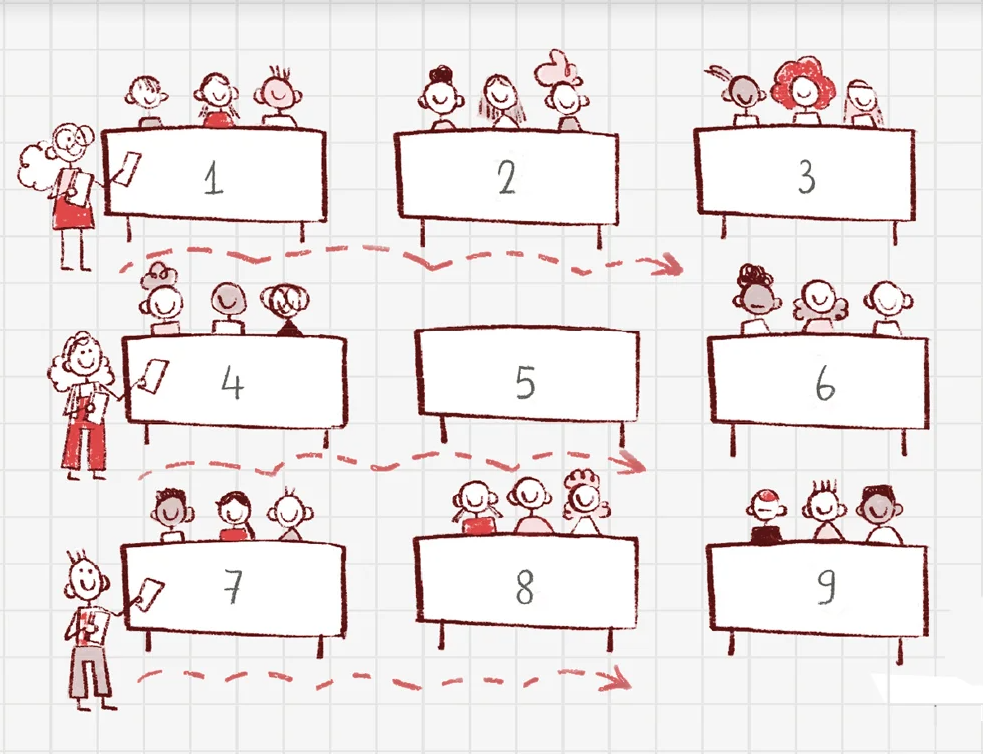
Oh! And the cute drawings that show up whenever they’re thinking of plans or describing situations.
Conclusion
I’ll admit, book 1 threw me for a bit of a loop. I’m no parent, but it felt hard to defend Molly’s actions and harder to defend the writer’s reasonings. They’re asking you to buy into a lot, but the thing is, this is normal life for a lot of kids. This is just how some people are.
I almost didn’t continue the series, but I wanted to see how the books focusing on Rosie and Simon fared. Simon’s great. They’re all great, but this is one series I might recommend you read a few books before you write it off. There’s only six, so maybe just read them all. Maybe the real trouble is the books we didn’t read along the way.
 The Mousehold